


Hassan Dynamic's blog : Can Keloid Treatment Permanently Remove Raised Scars?

Keloid scars can affect both appearance and confidence, especially when they grow beyond the original wound area and become raised or uncomfortable. Keloid Treatment in Dubai offers advanced approaches to reduce the size, thickness, and visibility of these stubborn scars through targeted medical techniques. While complete permanent removal may not always be guaranteed, modern treatments can significantly improve the texture and appearance of keloid scars.
Understanding Keloid Scars and Why They Develop
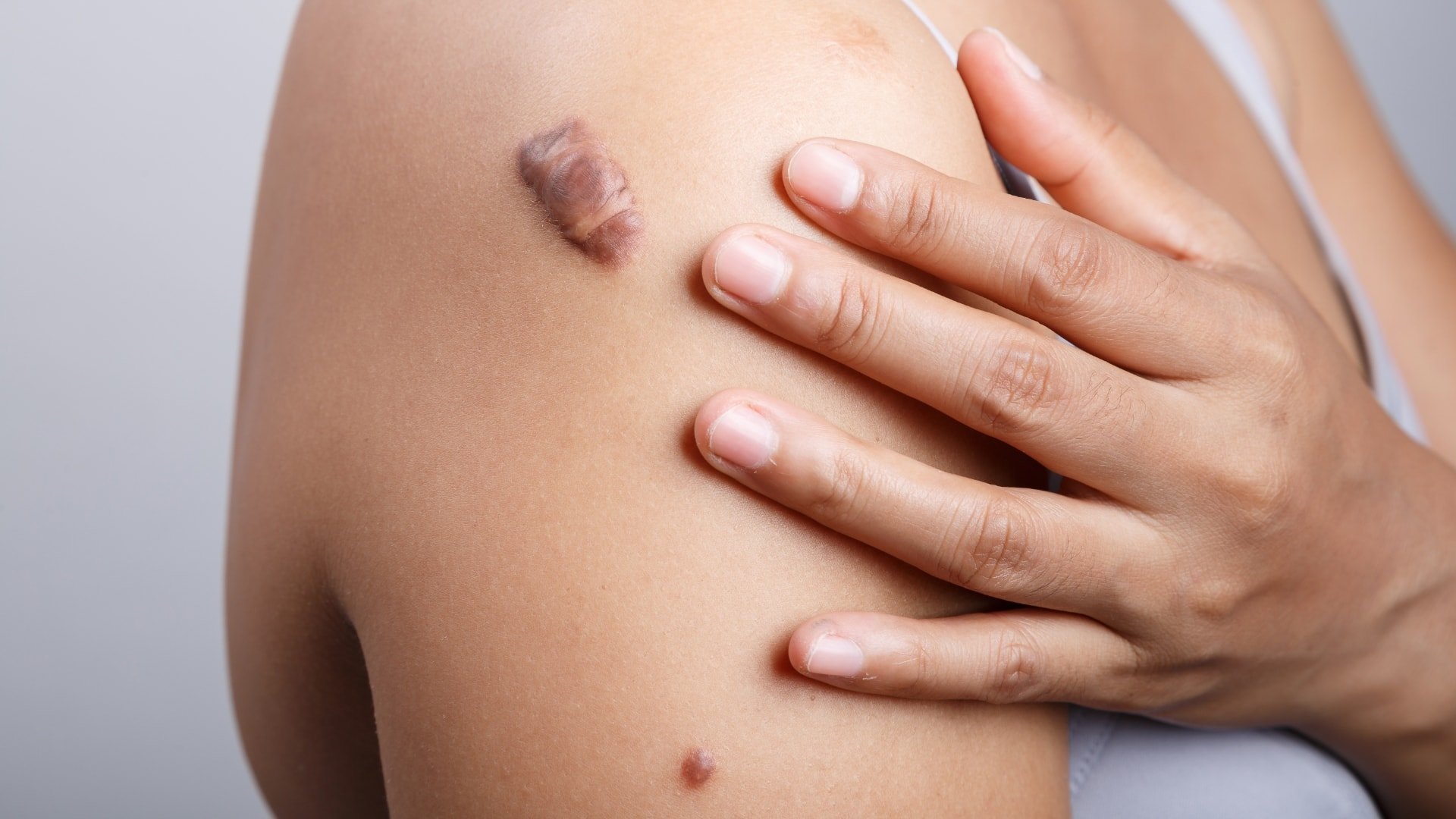
Keloids form when the body produces excess collagen during the healing process. Instead of stopping once the wound closes, collagen production continues and creates a thick, raised scar that extends beyond the original injury. They can develop after surgeries, burns, piercings, acne, or minor skin injuries.
Common characteristics of keloid scars include:
- Raised and firm scar tissue
- Expansion beyond the original wound boundary
- Darker colour compared to surrounding skin
- Itching, tenderness, or discomfort
- Slow growth over time
Unlike normal scars, keloids can continue developing for months or even years. Their tendency to return after treatment makes proper evaluation and a personalised approach important for achieving long-lasting improvement.
Can Keloid Treatment Permanently Remove Raised Scars?
Many people wonder whether keloids can be completely removed forever. The answer depends on several factors, including scar size, location, skin type, and the treatment method used. Keloid Treatment focuses on controlling excessive scar formation, flattening raised tissue, and improving skin appearance rather than simply removing the scar instantly.
Some keloids respond very well to treatment and may become nearly invisible, while others may require ongoing care to prevent recurrence. Combining different techniques often provides better outcomes because keloids involve complex changes within the skin layers.
Treatment options may include:
- Steroid-based injections to soften and flatten scar tissue
- Laser procedures to improve colour and texture
- Cryotherapy to reduce raised scar tissue
- Surgical removal combined with preventive methods
- Silicone-based therapies to support scar management
The goal is to make the scar smoother, less noticeable, and more comfortable while reducing the chances of regrowth.
Factors That Influence Long-Term Keloid Results
Several factors determine whether a keloid remains controlled after treatment. Understanding these elements helps create realistic expectations and supports better scar management.
Important factors include:
- Scar location: Areas with higher skin tension, such as the chest, shoulders, and jawline, may have a greater chance of recurrence.
- Scar age: Newer keloids may respond differently compared to older, thicker scars.
- Individual healing response: Some people naturally produce more collagen, increasing the likelihood of keloid formation.
- Treatment consistency: Following recommended care routines can improve long-term results.
Additionally, protecting treated skin from irritation and following aftercare instructions can support healthier healing patterns.
Benefits of Professional Keloid Treatment Approaches
Modern scar treatments provide multiple benefits beyond reducing the visible size of keloids. They aim to improve skin quality while addressing discomfort caused by excessive scar growth.
Some key benefits include:
- Reduces raised and thick scar appearance
- Improves skin texture and smoothness
- Helps relieve itching and discomfort
- Supports more balanced collagen production
- Enhances confidence by improving scar visibility
- Provides personalised solutions based on scar condition
At Dynamic life clinic, advanced scar management techniques focus on improving the appearance of problematic keloids while considering individual skin characteristics and treatment goals. Different approaches can be combined depending on how the scar responds over time.
How Keloid Treatment Supports Scar Improvement
Keloid Treatment works by targeting the processes responsible for excessive scar formation. Instead of allowing uncontrolled collagen buildup, treatments aim to regulate scar tissue activity and encourage a flatter, softer appearance.
For many individuals, noticeable improvements happen gradually as the scar becomes less raised and the skin texture becomes smoother. Multiple sessions may be needed depending on the severity of the keloid and how the skin reacts to treatment.
Consistent follow-up care plays an important role because keloids have a tendency to return. Maintaining a proper skincare routine and avoiding unnecessary trauma to the treated area can help preserve improvements.
Are Keloid Results Permanent?
The permanence of keloid results varies from person to person. Some individuals experience long-lasting scar reduction, while others may notice gradual regrowth over time. Since keloids are linked to the body's healing response, no treatment method can provide a universal guarantee of complete permanent removal.
However, modern treatment strategies can greatly reduce scar thickness and improve overall appearance. Early intervention often allows better control because smaller scars may be easier to manage before they become larger and more resistant.
Patients can support lasting results by:
- Protecting the treated area from excessive friction
- Avoiding unnecessary skin injuries
- Following professional aftercare recommendations
- Monitoring any changes in scar texture or size
Choosing the Right Approach for Raised Scar Management
Selecting the appropriate treatment depends on the characteristics of the keloid and the individual's skin needs. A customised plan helps address the specific challenges associated with raised scars, including thickness, discomfort, and appearance.
Advanced scar treatments continue to improve with new techniques that focus on safer healing and better cosmetic outcomes. With the right approach, many people achieve smoother skin and reduced scar visibility without aggressive procedures.
Conclusion
Although keloids can be challenging to manage, modern techniques can significantly reduce their appearance and improve skin texture. While complete permanent removal is not always possible, consistent care and suitable procedures can provide long-term scar control. Keloid Treatment helps many individuals achieve flatter, smoother, and less noticeable raised scars by addressing excessive collagen formation and supporting improved skin healing.
In: