


Hassan Dynamic's blog : What Skin Layers Does Laser Skin Resurfacing Treatment Reach?

Laser skin resurfacing is widely recognized for its ability to improve texture, tone, and overall skin clarity by targeting multiple layers beneath the surface. When people search for Laser skin resurfacing Dubai, they’re often curious about how deep the treatment goes and what exactly happens within the skin. At Dynamic Life Clinic, this treatment is commonly discussed in terms of its precision and ability to work across different skin depths to stimulate renewal and repair.
Understanding the Structure of the Skin
To fully grasp how laser resurfacing works, it helps to understand the three primary layers of the skin:
- Epidermis: The outermost protective layer
- Dermis: The middle layer rich in collagen and elastin
- Hypodermis (Subcutaneous Layer): The deeper layer composed of fat and connective tissue
Laser resurfacing primarily targets the epidermis and dermis, where most visible skin concerns originate.
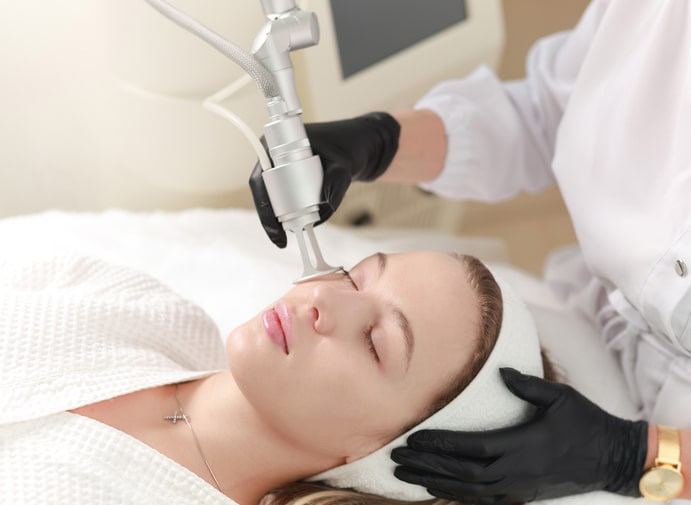
How Laser Technology Interacts with Skin Layers
Laser devices emit focused beams of light energy that penetrate the skin with controlled precision. Depending on the type of laser used, the treatment can either remove thin layers of skin or heat underlying tissue to stimulate regeneration.
There are two main approaches:
- Ablative lasers: Remove the outer layer (epidermis) and heat the dermis
- Non-ablative lasers: Bypass the surface and target deeper dermal layers
Both methods aim to trigger the body’s natural healing process while encouraging collagen production.
Targeting the Epidermis: Surface Renewal
The epidermis is the first layer addressed during laser resurfacing, especially with ablative treatments. This outer layer is where issues like dullness, uneven tone, and superficial pigmentation appear.
By gently removing damaged skin cells, laser resurfacing:
- Promotes the growth of new, healthier skin
- Improves brightness and clarity
- Reduces minor discoloration and rough texture
This controlled removal also prepares the skin to better absorb skincare products after healing.
Reaching the Dermis: Collagen Stimulation
The dermis is where laser resurfacing delivers its most significant long-term benefits. This layer contains collagen fibers, elastin, and essential support structures that maintain skin firmness.
When laser energy penetrates into the dermis:
- It creates controlled thermal injury
- Stimulates fibroblasts to produce new collagen
- Encourages elastin regeneration
This process gradually improves:
- Fine lines and wrinkles
- Acne scars and textural irregularities
- Skin laxity and overall firmness
The effects continue to develop over time as collagen remodeling progresses.
Do Lasers Reach the Hypodermis?
Most laser skin resurfacing treatments do not reach the hypodermis. This deeper layer is not typically targeted because:
- It is primarily composed of fat and structural tissue
- Surface-level concerns originate above this layer
- Deeper penetration increases unnecessary risk without added benefit
Advanced laser systems are designed to stop within the dermis, ensuring effective results while maintaining safety.
Differences Between Ablative and Non-Ablative Depth
The depth of penetration varies depending on the type of laser used:
Ablative Lasers
- Reach both the epidermis and upper-to-mid dermis
- Remove damaged outer layers
- Provide more dramatic results for deeper wrinkles and scars
Non-Ablative Lasers
- Target the dermis without removing the epidermis
- Offer gradual improvement with minimal disruption
- Suitable for mild to moderate concerns
Understanding this difference helps patients choose the right approach based on their skin goals and recovery preferences.
Fractional Technology: Controlled Depth Treatment
Modern laser resurfacing often uses fractional technology, which treats microscopic sections of the skin while leaving surrounding tissue intact.
This approach allows:
- Deeper penetration into the dermis
- Faster healing due to untreated areas
- Reduced risk compared to traditional methods
Fractional lasers create tiny columns of thermal damage, encouraging the skin to repair itself efficiently while maintaining overall integrity.
Factors That Influence Treatment Depth
The exact depth reached during laser resurfacing depends on several factors:
- Skin concern: Deeper scars require more penetration
- Laser type: Different devices operate at varying intensities
- Treatment settings: Adjustable energy levels control depth
- Skin type: Sensitivity and thickness influence customization
Practitioners tailor each session to ensure the laser reaches the appropriate layers without causing unnecessary stress to the skin.
Benefits of Targeting Multiple Skin Layers
By addressing both the epidermis and dermis, laser resurfacing offers comprehensive skin improvement:
- Surface-level renewal enhances radiance
- Deeper stimulation strengthens skin structure
- Long-term collagen production supports lasting results
This multi-layer approach is what makes laser resurfacing effective for a wide range of skin concerns.
Recovery and Skin Regeneration Process
After treatment, the skin begins a natural healing process that reflects the layers affected:
- The epidermis regenerates within days to weeks
- The dermis continues rebuilding collagen over several months
During this period, the skin gradually becomes smoother, firmer, and more even in tone.
Proper aftercare supports this regeneration and ensures optimal results without complications.
Conclusion
Laser skin resurfacing works by precisely targeting the epidermis and dermis, where most visible skin concerns originate. By removing damaged surface cells and stimulating collagen production in deeper layers, the treatment promotes both immediate and long-term improvements. Understanding how these layers are affected helps clarify why laser resurfacing remains a trusted option for enhancing skin texture, tone, and overall quality, especially for those exploring advanced skincare solutions in Dubai.
In: