


Anya Hawkins's blog : Remote Water Quality Monitoring
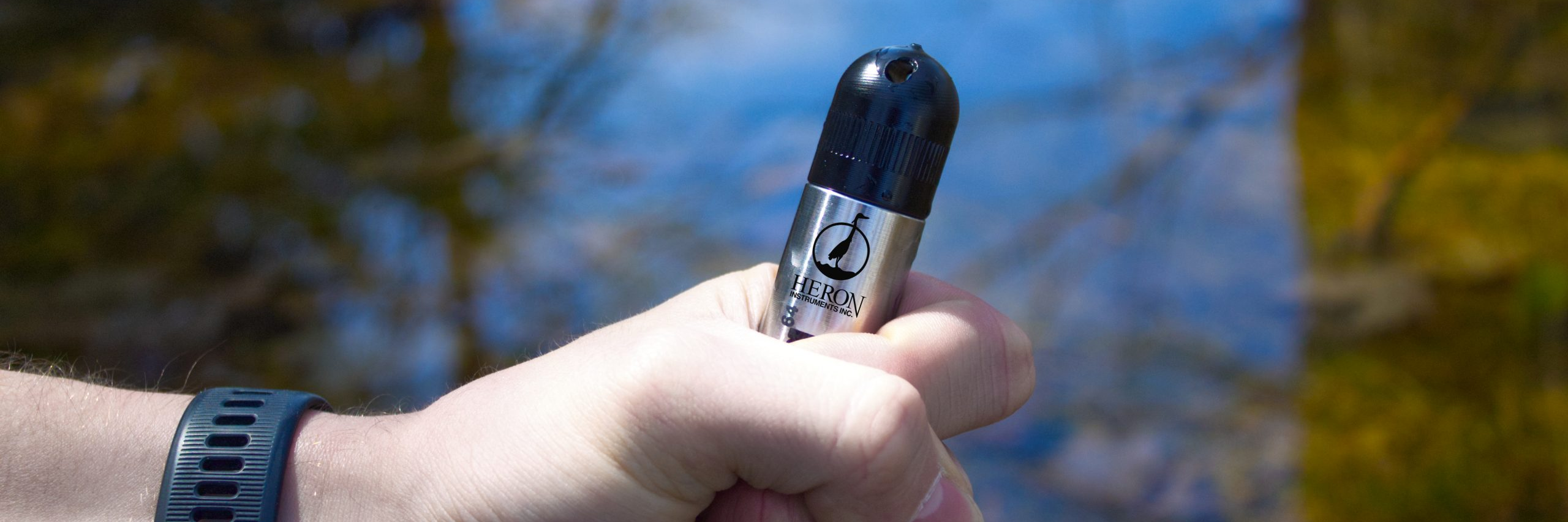
Monitoring water quality is very important in a number of industries and locations, especially for the supply of drinking water to people's homes and businesses, contaminated drinking water can result in significant illnesses and even death in extreme circumstances. Water is essential for growing crops, drinking, industrial processes, bathing, washing clothes and much more. Water is used by the majority of individuals each day in some capacity, it is estimated that each individual uses 142 litres of water per day, the water we use needs to be safe and clean. It is the role of the water supplier to ensure the water quality remains high and there are no contaminants that could cause harm to the population or the environment.
In 2020 there were 1,919 pollution incidents according to the Guardian this not only causes harm to the environment but results in large fines for water companies. Southern Water was fined a record £90million for dumping billions of litres of raw sewage into the sea in 2021.
Businesses that use water within their industrial processes must also carefully monitor the water quality so the chemical balance works with their processes. Many large businesses directly extract water from the ground, this provides them with greater extraction rates and additional control. It is essential that the quality of these sources of water are regularly checked.
Water contamination
Water can become contaminated through a number of different sources. The sources and reasons for water contamination vary depending on where you are situated. All sources of water need to be carefully monitored to ensure they are safe to use and free from any contamination.
Rural locations
In rural locations contamination is likely to come from agricultural sources. Many agricultural processes use fertilisers which can run off and contaminate the local water supply. Areas around agricultural sites should be carefully monitored and procedures put in place to avoid agricultural pollution. Another source of pollution in rural locations is animal waste, animal waste contains bacteria that if entered into the water supply can cause contamination. Septic tanks in rural locations can also be a cause for concern for the water supply, a leak within a septic tank can go unnoticed until the pollution is picked up within the water supply.
Urban locations
Urban locations are likely to see a different form of pollution. These pollutants are more likely to come from sources such as road usage and transport. Industrial plants are also a huge contributor to water pollution in urban locations, accidental or illegal dumping of waste can leak into the water course and result in contamination. Large areas of waste including landfill sites can also pollute the water, landfills have policies and regulations in place which requires them to carefully monitor the groundwater around their site to avoid contamination.
Remote water monitoring process
Remote water monitoring facilitates the monitoring of water in remote locations which are difficult to access without specialist equipment. It also provides water companies with more up to date and continuous data on the quality of the water, quicker than anyone would be able to collect and take samples to analyse in a laboratory. Results can be updated and transmitted every 6 hours or quicker in some circumstances. These quick responses allow water companies to take immediate action and protect the public and the environment if there are any pollutants or issues found in the water supply.
Remote water monitoring uses water quality monitoring stations, these are located at various points within the water supply network. This provides the water supplier with different readings that they can use to assess the overall water quality, not only from a single point.
Water monitoring measures for a number of different things that are calibrated and placed based on the needs of the supplier. These include pH levels, water conductivity, dissolved oxygen, level of sludge, water salinity and more. The equipment is able to transmit the reading and results back into a secure database where it can then be accessed by the business. Many providers of remote water monitoring technology also provide software which takes the information and provides detailed dashboards to enable the business to be able to immediately and easily see if there are any issues that need to be prioritised.
Resources:
- Groundwater Extraction - Fediverse
- Gas Flaring - Home.Blog
- Water Leak Detection Solutions - Mighty Networks