


Hassan Dynamic's blog : What Are Pigmentation Treatment Principles?

Understanding the pigmentation treatment principles is essential for anyone looking to improve skin tone and texture. In Dubai, where skin care demands are high due to sun exposure and lifestyle factors, effective treatment requires a combination of scientific knowledge and advanced technology. For those considering Pigmentation Treatment in Dubai, Dynamic Clinic provides a range of professional solutions that follow these established principles, ensuring safe and lasting results.
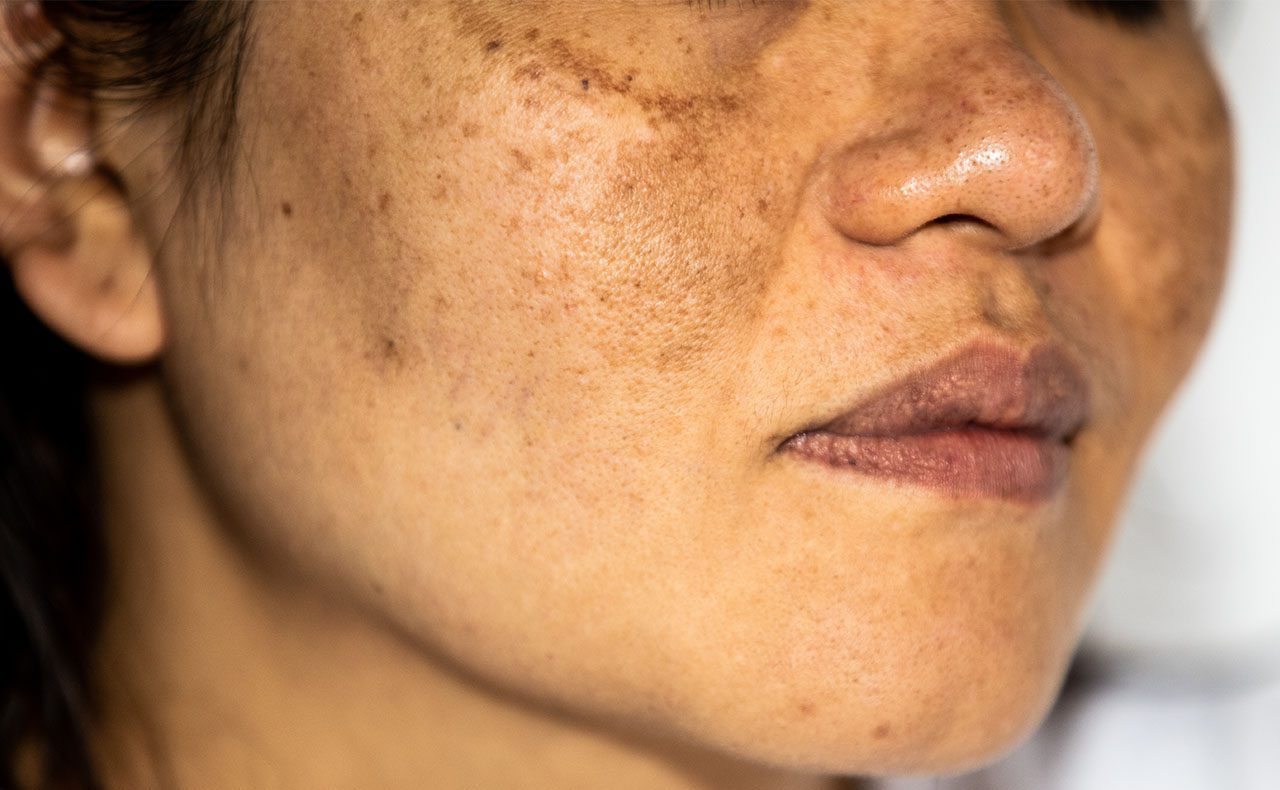
Pigmentation occurs when melanin, the skin's natural pigment, becomes unevenly distributed. This can result in dark spots, age spots, freckles, or melasma. Addressing pigmentation involves both targeting the existing discoloration and preventing future irregularities. A holistic approach considers the underlying causes, including sun damage, hormonal changes, inflammation, and genetics.
Key Principles of Pigmentation Treatment
1. Accurate Diagnosis
Before any treatment, an accurate diagnosis is crucial. Pigmentation can manifest in various forms, and misidentifying the type may lead to ineffective or even harmful interventions. Dermatologists typically assess:
- Skin type and tone
- Pattern and depth of pigmentation
- History of sun exposure and skincare routines
- Hormonal and medical factors
Understanding these factors ensures a tailored treatment plan that aligns with the patient’s specific needs.
2. Sun Protection
Sun protection is foundational in pigmentation management. Ultraviolet (UV) rays trigger melanin production and worsen existing pigmentation. Essential measures include:
- Daily use of broad-spectrum sunscreen
- Protective clothing such as hats and long sleeves
- Avoiding peak sun hours whenever possible
- Using skincare products with antioxidant properties
Consistent sun protection enhances the efficacy of any treatment and prevents recurrence.
3. Topical Agents
Topical treatments are a first-line approach to reducing pigmentation. These agents work by inhibiting melanin production, accelerating cell turnover, or exfoliating pigmented cells. Commonly used agents include:
- Hydroquinone for reducing melanin synthesis
- Retinoids to promote skin cell renewal
- Vitamin C and other antioxidants for brightening
- Mild chemical exfoliants like glycolic or lactic acid
The choice of topical agents depends on skin sensitivity, pigmentation type, and treatment goals.
4. Advanced Laser and Light Therapies
For deeper or more persistent pigmentation, laser and light-based therapies are highly effective. These treatments target melanin with precision without damaging surrounding tissues. Options include:
- Q-switched lasers for dark spots and freckles
- Fractional lasers for melasma and uneven skin tone
- Intense Pulsed Light (IPL) for generalized discoloration
Laser treatments require professional evaluation and multiple sessions for optimal results.
5. Chemical Peels
Chemical peels help remove the outer layer of the skin, reducing pigmentation and stimulating regeneration. They vary in strength depending on the severity of pigmentation:
- Superficial peels for mild sun spots and uneven tone
- Medium-depth peels for moderate pigmentation issues
- Combination with topical therapies for enhanced results
Chemical peels also promote collagen production, contributing to overall skin rejuvenation.
6. Consistent Skincare Routine
A well-structured skincare routine reinforces pigmentation treatments. Key steps include:
- Gentle cleansing to avoid irritation
- Moisturizing to maintain skin barrier health
- Targeted treatments such as serums or creams
- Regular follow-ups to monitor progress
Consistency is critical, as irregular care can diminish the effectiveness of professional treatments.
7. Addressing Underlying Causes
Successful pigmentation management goes beyond surface treatment. Identifying and addressing the root cause is vital:
- Hormonal imbalances, such as melasma triggers
- Post-inflammatory hyperpigmentation from acne or injuries
- Lifestyle factors, including diet and sun habits
Addressing these causes helps prevent recurrence and maintains a uniform skin tone.
8. Patient Education and Expectations
Educating patients about realistic outcomes is an essential principle of pigmentation treatment. Results may take several weeks to months, and maintenance is often required. Clear communication helps manage expectations and encourages adherence to prescribed regimens.
Conclusion
The principles of pigmentation treatment combine accurate diagnosis, preventive measures, professional therapies, and consistent skincare. Whether opting for topical treatments, chemical peels, or advanced laser therapies, understanding these principles ensures safe, effective, and lasting results. In Dubai, clinics like Dynamic Clinic follow these strategies to provide patients with tailored pigmentation solutions that enhance skin health and appearance while minimizing risks.
In: