


quality herb's blog : The Unspoken Truth About Sourcing Siberian Ginseng Extract from China

Walk into any wellness store in North America or Europe, and you’ll find it shelved among the adaptogens: bottles of Siberian Ginseng extract, promising support for energy, stress, and stamina. There’s an inherent irony in the supply chain. Despite its name, a significant portion of the world’s Eleutherococcus senticosus extract doesn't come from the Siberian wilderness. It comes from dedicated cultivation plots and advanced processing facilities in China. For brands and formulators, navigating this source is a central, yet rarely discussed, part of bringing this popular herb to market.
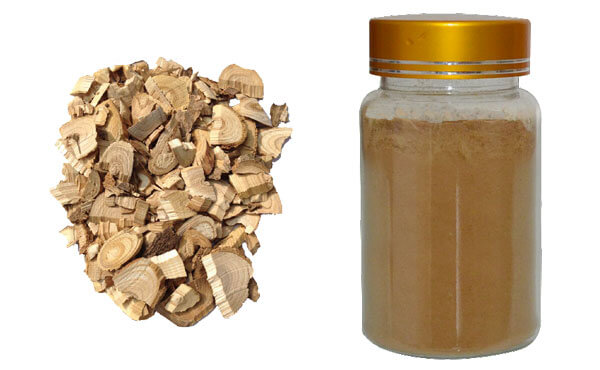
China’s role in the Siberian Ginseng supply chain is a story of agricultural strategy and processing prowess. While the plant is native to Russia, Korea, and parts of northern China, China has invested heavily in its organized cultivation, particularly in the cooler, mountainous regions of Heilongjiang and Jilin provinces. This controlled farming is crucial. It ensures a consistent, renewable supply of the root and root bark—the parts used medicinally—which is more sustainable and traceable than wildcrafting from unpredictable forests. Furthermore, decades of supplying the global botanical extract market have honed Chinese expertise in the critical steps of extraction. The bioactive compounds in Siberian Ginseng, notably the eleutherosides, require precise methods—often water or ethanol extraction and careful spray-drying—to standardize effectively. This combination of scaled agriculture and technical skill creates a product that is both available and analytically verifiable.
For a buyer, the appeal is clear: a standardized extract (commonly 0.8% eleutherosides) at a viable wholesale price. But the journey from a Chinese supplier’s brochure to a reliable ingredient in your capsule is where the real story unfolds. The market requires a move beyond basic specifications.
Standardization: The Figure and the Reality. A specification sheet declaring "0.8% eleutherosides" is the entry ticket. However, eleutherosides are a group of compounds (B, E, E1, etc.). The ratio and profile of these individual markers can vary based on the harvest time, plant age, and specific extraction technique. A quality supplier understands this nuance. They should be able to provide a High-Performance Liquid Chromatography (HPLC) chromatogram, not just a summary percentage. This document is the fingerprint of the batch, proving the presence and proportion of the key actives. Consistency in this profile, not just hitting a minimum number, is what guarantees your end product has the same physiological effect, batch after batch.
The Hidden Variables: Solvents and Safety. The extraction process leaves a signature. Residual solvents, if ethanol is used, must be minimal and within safe limits. Microbial counts, heavy metals (like lead, cadmium, and arsenic absorbed from soil), and pesticide residues are the non-negotiable checks. A credible supplier doesn't just present a clean Certificate of Analysis (CoA) from their in-house lab; they are transparent about their testing protocols and open to validation by a third-party lab of your choosing. The question of irradiation—a common method for microbial reduction in botanicals that can degrade active compounds—is essential to ask. Preferred suppliers use steam sterilization or other clean-room techniques to ensure purity without compromising the extract's integrity.
Supplier Identity: Manufacturer or Middleman? This is the pivotal distinction in the Chinese market. True manufacturers own the farming cooperatives or have long-term contracts with growers. They control the processing from dried root to finished powder. A visit to their facility (virtual or in-person) would show extraction tanks and spray dryers. Trading companies, however, may source from multiple, changing factories based on price. While they can sometimes offer lower costs, they add a layer of separation between you and the production process, diluting traceability and control when questions or issues arise. The ability of your contact to answer detailed, technical questions about cultivation, drying temperature, or extraction pressure is a telling sign of where they sit in the chain.
The Partnership Beyond Price. Securing a quality extract involves logistics and documentation that a seasoned supplier facilitates. This includes professional, moisture-proof packaging, all necessary export documents, and a clear understanding of incoterms. But more importantly, it’s about their approach to your business. Do they inquire about your application—whether it’s for a liquid tincture, a tablet, or a functional beverage—and offer guidance? Are they proactive about informing you of harvest cycles or potential price fluctuations? This level of engagement signals a partner invested in a stable, long-term supply relationship.
Sourcing Siberian Ginseng extract from China is not merely a procurement task; it's an exercise in supply chain intelligence. It rewards those who look past the listed specification to the agricultural and analytical practices behind it. The goal is to find not just a supplier of a brown powder, but a knowledgeable steward of the entire process, from the cultivated root in Jilin province to the finished extract in your possession. In the world of adaptogens, where trust is as important as the ingredient itself, this depth of understanding is what ultimately supports a brand's promise to its customers.
- News