


Dynamicaesthetic Clinic's blog : How Does Laser Tattoo Removal Work?

Laser tattoo removal is a popular method for eliminating unwanted tattoos, and it has gained recognition for its effectiveness and safety. Understanding how this procedure works can help you make informed decisions about tattoo removal. In this guide, we will delve into the science behind Laser Tattoo Removal In Dubai, the types of lasers used, the procedure itself, and what to expect during the process.
1. The Science Behind Laser Tattoo Removal
Understanding Tattoo Ink
Tattoos are created by injecting ink into the dermis, the second layer of skin. This ink consists of various pigments that can be deeply embedded in skin cells. The color and density of the ink can affect how easily it can be removed. Darker inks, such as black, are generally easier to treat than lighter colors, which may require different approaches.
The Role of Laser Light
Laser tattoo removal works on the principle of selective photothermolysis. This means that specific wavelengths of laser light are used to target and break down the ink particles in the skin without harming the surrounding tissue. When the laser light is absorbed by the tattoo ink, it generates heat, causing the ink particles to shatter into smaller pieces.
Immune System Response
Once the ink particles are broken down, the body's immune system takes over. Macrophages, a type of white blood cell, recognize these smaller ink particles as foreign substances and begin to engulf and eliminate them. Over time, this natural process helps fade the tattoo, ultimately leading to its removal.
2. Types of Lasers Used in Tattoo Removal
Q-Switched Lasers
Q-switched lasers are the most commonly used lasers for tattoo removal. They deliver short bursts of high-intensity light, which effectively breaks down the ink particles. Different Q-switched lasers target various ink colors:
- Q-Switched Ruby Laser: Effective for black and dark blue inks.
- Q-Switched Alexandrite Laser: Works well on green and black inks.
- Q-Switched NdLaser: Effective for a broad range of colors, including darker shades and some lighter inks.
Pico Lasers
Pico lasers are a newer technology that uses ultra-short pulses of light to target ink particles. They are considered more effective and less painful than traditional lasers, as they can break down ink particles into even smaller fragments. This can lead to faster healing times and fewer treatment sessions.
3. The Laser Tattoo Removal Procedure
Initial Consultation
The first step in the tattoo removal process is a consultation with a qualified practitioner. During this visit, the practitioner will assess your tattoo's characteristics, including size, color, and location, and discuss your medical history to ensure you are a suitable candidate for the procedure. They will also explain the treatment plan and answer any questions you may have.
Pre-Treatment Preparation
Before the procedure, the practitioner may apply a topical anesthetic to minimize discomfort. Depending on the size and location of the tattoo, ice packs may also be used to numb the area further.
The Laser Treatment
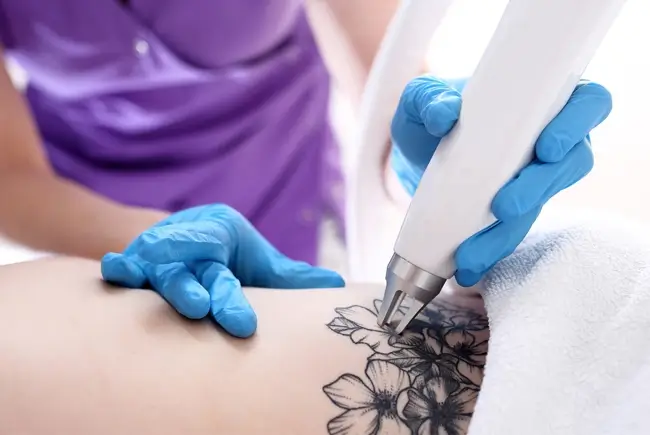
During the actual laser treatment, the practitioner will use the appropriate laser device to target the tattoo. You will wear protective eyewear to shield your eyes from the intense light. The procedure typically takes only a few minutes, depending on the size of the tattoo.
As the laser is applied, you may feel a sensation similar to the snap of a rubber band against your skin. This discomfort usually subsides quickly. The practitioner will monitor your comfort levels throughout the session.
Post-Treatment Care
After the procedure, your skin may appear red and swollen, resembling a sunburn. You may also experience some pinpoint bleeding. The practitioner will provide specific aftercare instructions, which may include:
- Keeping the area clean and dry.
- Avoiding sun exposure to the treated area.
- Applying ice packs to reduce swelling.
- Using prescribed ointments or creams to promote healing.
4. What to Expect After Laser Tattoo Removal
Healing Process
The healing process varies from person to person but generally involves some redness, swelling, and tenderness in the treated area. These symptoms typically subside within a few days. As the ink particles are gradually eliminated by your immune system, you will notice the tattoo fading over several weeks.
Multiple Sessions Required
Most tattoos require multiple laser sessions for complete removal. The number of sessions needed depends on various factors, including the tattoo's size, color, and depth. Sessions are typically spaced several weeks apart to allow your skin to heal and your body to eliminate the ink.
Long-Term Results
Once the tattoo is fully removed, the results are permanent. However, it’s essential to note that some individuals may experience a change in skin texture or slight discoloration in the treated area. These effects are usually minimal and can often be improved with additional treatments if necessary.
5. Conclusion
Laser tattoo removal is a highly effective method for eliminating unwanted tattoos through the principles of selective photothermolysis. With advancements in laser technology, such as Q-switched and pico lasers, individuals can achieve successful results with minimal discomfort and downtime. Understanding the procedure, including what to expect before, during, and after treatment, empowers you to make informed decisions about your tattoo removal journey. If you’re considering laser tattoo removal, consult a qualified professional to discuss your options and develop a personalized treatment plan tailored to your needs.
In:- Social media