


FTC Tanks's blog : Fire Tank vs. RO Water Tank: Which One Is Right for Your Home?
When it comes to ensuring a steady water supply for your home, the choice of water storage is crucial. Two common options are fire tanks and RO (Reverse Osmosis) water tanks. While both serve vital purposes, they cater to different needs. Understanding the differences between a fire tank and an RO water tank will help you make an informed decision about which is right for your home.
What Is a Fire Tank?
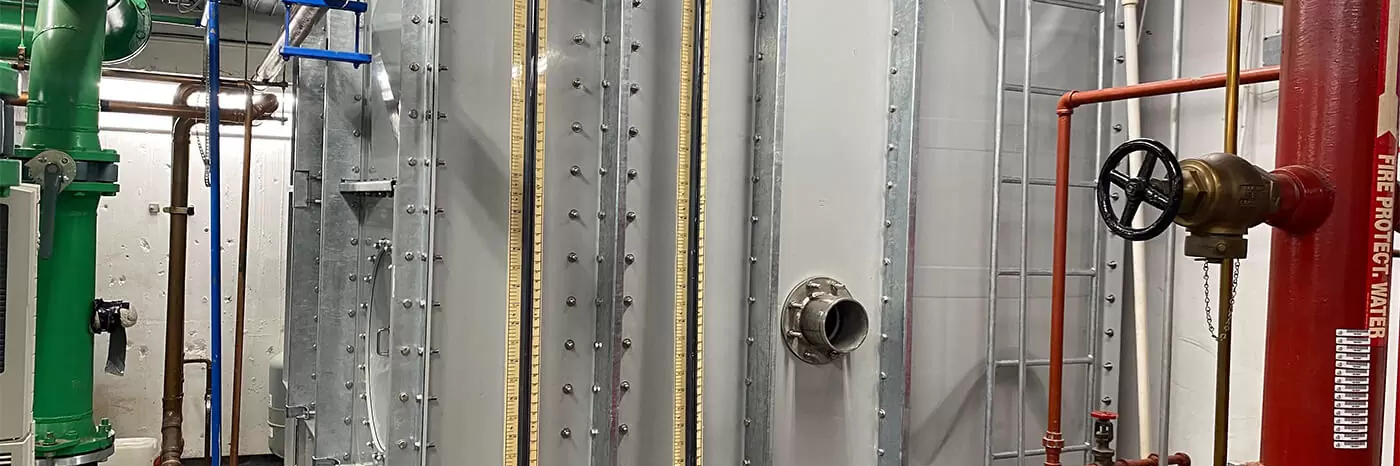
A fire tank, as the name suggests, is primarily used for fire protection. It stores a large volume of water that can be used in case of a fire emergency. These tanks are usually connected to a fire sprinkler system or a fire hydrant, ensuring that there's an immediate and reliable water source to combat fires. Fire tanks are designed to hold significant amounts of water, often tens of thousands of gallons, depending on the size of the building they are protecting.
Key Features:
- Large Capacity: Fire tanks are built to store vast amounts of water, which is crucial for ensuring enough water is available during a fire.
- Durability: These tanks are made from durable materials like steel or fiberglass to withstand harsh conditions and last for decades.
- Emergency Use: The primary function is to provide a dedicated water supply in emergencies, separate from the household water supply.
What Is an RO Water Tank?
An RO water tank is part of a Reverse Osmosis water purification system. RO systems are designed to filter and purify drinking water by removing impurities such as salts, chlorine, and other contaminants. The purified water is then stored in the RO tank for household use, ensuring that you have access to clean, safe drinking water at all times.
Key Features:
- Purification: RO tanks store water that has been purified by an RO system, ensuring it is safe for drinking and cooking.
- Smaller Capacity: Compared to fire tanks, RO tanks have a much smaller capacity, typically holding between 2 to 4 gallons of purified water.
- Daily Use: These tanks are used for everyday household activities, like drinking, cooking, and making ice.
Which One Is Right for Your Home?
The decision between a fire tank and an RO water tank depends on your specific needs and circumstances. Here are some factors to consider:
1. Purpose:
- If your primary concern is fire safety, especially in a large home or a property in a fire-prone area, a fire tank is essential.
- If your main goal is to have access to purified drinking water, an RO water tank is the way to go.
2. Space and Installation:
- Fire tanks require substantial space and a robust installation process. They are typically installed outside the home, often underground or in a dedicated fire protection system area.
- RO tanks are compact and installed inside the kitchen or utility area as part of the water purification system.
3. Budget:
- Fire tanks are a significant investment, both in terms of the tank itself and the associated installation and maintenance costs.
- RO systems and tanks are generally more affordable and require less maintenance.
4. Regulatory Requirements:
- In some regions, building codes or local regulations may require the installation of a fire tank, particularly in larger homes or properties located far from municipal water sources.
- RO tanks are usually not subject to such regulations but are an excellent choice for those concerned about water quality.
Conclusion
Choosing between a fire tank and an RO water tank boils down to your specific needs. If safety and preparedness are your priorities, especially in an area prone to fires, investing in a fire tank is wise. On the other hand, if ensuring a continuous supply of clean drinking water is your focus, an RO water tank is a practical and convenient choice.
In:- Random