


Great Dubai's blog : Best Practices for Driving in Dubai During Ramadan

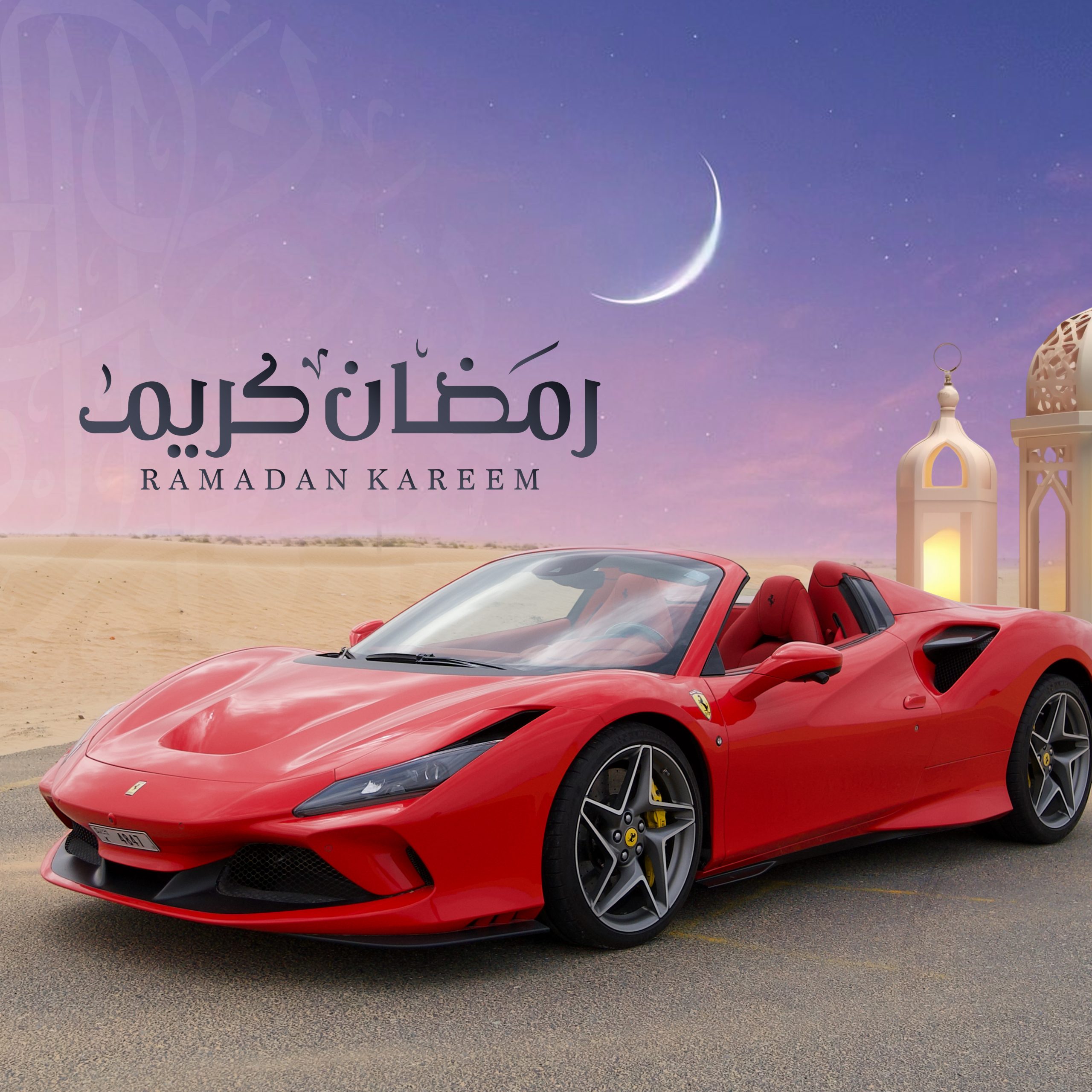
Let’s face it:
Driving in Dubai during Ramadan is different. The city’s rhythm changes, road behavior shifts, and if you’re not prepared—you might run into trouble.
That’s why it’s important to rent a car in dubai and understand how to adapt your driving during this holy month, especially if you’re a tourist or new resident.
In this guide, you’ll learn:
Why driving patterns shift during Ramadan
What time of day to avoid the roads
How to stay respectful and safe behind the wheel
Local driving etiquette during fasting hours
If you want to stay smart, safe, and culturally aware on Dubai’s roads this Ramadan, this post is for you.
Let’s dive in.
Why Ramadan Changes the Way Dubai Drives
First things first.
Ramadan is one of the most significant months in the Islamic calendar. It’s a time of reflection, fasting, and spiritual discipline. Muslims refrain from food, water, and other physical needs from dawn to sunset.
So, how does that affect traffic?
Here’s what actually happens:
Fasting drivers are more fatigued—especially in the late afternoon.
Rush hour is compressed—everyone wants to reach home before Iftar (sunset meal).
Working hours are shorter, so traffic surges happen at unusual times.
More delivery vehicles are on the road as food orders spike after sunset.
Bottom line?
Driving during Ramadan requires more patience, awareness, and cultural sensitivity.
Tip #1: Avoid Driving Right Before Iftar
If you take only one tip from this guide, let it be this:
Avoid driving 30–60 minutes before Iftar.
This is when roads across Dubai become extremely hectic.
Why?
Because people are rushing home, hungry, tired, and sometimes even emotionally stressed. It’s a dangerous cocktail.
You’ll notice:
Last-minute lane switching
Honking increases
More red-light running and speeding
This short window, typically around 6:30–7:00 PM, sees a spike in minor accidents and aggressive behavior.
Instead, plan your travel:
Early in the morning (before 11 AM)
Mid-afternoon (2 PM to 4 PM)
Late evening (after 9 PM)
If you’re heading to a restaurant for Iftar, leave well in advance or just walk if possible.
Tip #2: Be Extra Patient and Culturally Aware
During Ramadan, emotions can run high—especially for those fasting in the heat.
That means one thing for you as a driver:
Take the high road. Literally.
Here’s how:
Let aggressive drivers pass—don’t escalate.
Don’t honk unless it’s absolutely necessary.
Respect queues and roundabouts—even if others don’t.
Avoid overtaking in residential areas, especially close to mosques.
Even minor road rage can escalate fast, especially during this month. Stay cool. Be kind. It will pay off.
Also, never eat, drink, or smoke in your car in plain sight during daylight hours, especially in areas where people are walking or driving slowly. It’s seen as culturally insensitive and, in some cases, could lead to penalties.
Tip #3: Plan for Prayer Times and Traffic Slowdowns
Muslims pray five times a day, and two of those fall during busy driving hours in Ramadan.
Here’s what to expect:
Dhuhr (midday prayer) at around 12:30 PM
Maghrib (sunset prayer/Iftar time) at around 6:40 PM
Taraweeh (night prayers) at around 8:30–9:30 PM
During these times, especially Maghrib and Taraweeh:
Expect slowdowns near mosques
Double-parked cars are common
You’ll hear the Adhan (call to prayer) from your car if windows are down
Best strategy? Use Google Maps or RTA’s app to plan alternate routes around large mosques during these time blocks.
Tip #4: Rent the Right Car to Stay Comfortable
The truth?
Ramadan in Dubai = hot weather + unusual schedules.
So, if you’re going to drive, make it comfortable. This is where choosing the right rental vehicle makes a big difference.
When you Rent a Car in Dubai during Ramadan, look for:
Good air conditioning (a must)
Navigation and parking sensors (you’ll be visiting unfamiliar areas)
Fuel efficiency (you might idle in traffic)
Tinted windows (helps block the sun without breaking laws)
Pro tip: SUVs are great if you’re traveling with family and heading to Iftar or Suhoor gatherings. Compact cars work better for solo drivers or quick trips through the city.
Renting gives you freedom to move on your schedule, which matters a lot when prayer times and Iftar plans shape your day.
Tip #5: Understand Ramadan Parking Rules
Dubai Municipality and the RTA often adjust parking regulations during Ramadan.
Here’s what usually happens:
Free parking hours may change
Public parking is usually free during Iftar (6 PM–8 PM)
Malls get full by 5 PM—arrive early if you’re attending events
To stay ahead:
Check the RTA Dubai Twitter/X account for daily updates
Use the “Dubai Now” app to find and pay for parking zones
Avoid blocking driveways or double-parking—even temporarily
Fines during Ramadan still apply (and they’re not cheap).
Tip #6: Be Smart With Food Deliveries and Couriers
Not everyone is dining out. Many Dubai residents prefer ordering food for Iftar or late-night Suhoor.
That means more delivery bikes and drivers on the road than usual.
Here’s how to drive safely:
Stay extra cautious when overtaking motorcycles
Watch for sudden stops near restaurants and cloud kitchens
Allow more space around delivery riders—they’re on tight deadlines
Many delivery drivers are fasting too. Don’t assume they’ll react quickly.
Tip #7: Drive Safe at Night—Not Just in the Day
You might think once Iftar is over, the roads are calm.
Not exactly.
Post-Iftar and late-night traffic increases, especially:
Around restaurants
On highways
In residential zones with communal tents or events
Some drivers hit the road after resting or praying Taraweeh. That means roads stay busy until midnight, and sometimes later on weekends.
Night driving during Ramadan in Dubai requires:
Full alertness (don’t drive tired after Iftar)
Avoiding over-speeding (it’s tempting on empty roads)
Clean windshields and functioning lights
Also, you’ll want to double-check your car’s fuel level before night drives—many stations get packed right before Iftar.
Bonus Tip: Use Ramadan to Discover a More Respectful Driving Style
Driving in Dubai during Ramadan is more than just avoiding accidents or making it home on time.
It’s a chance to practice:
Patience
Courtesy
Awareness of others
And that makes you a better driver year-round.
If you’re visiting Dubai or new to driving here, embrace the slower pace. Let Ramadan show you a different side of city life—one that’s rooted in tradition, community, and self-discipline.
Final Thoughts
Ramadan in Dubai is a special time—spiritually rich, culturally deep, and yes, a bit hectic on the roads.
But with the right mindset (and a few smart moves), you can navigate it like a pro.
✅ Avoid the pre-Iftar rush
✅ Be respectful and patient
✅ Know the local timings
✅ Rent a car that fits your comfort and travel needs
✅ Use apps to stay informed and alert
So if you're gearing up to drive this Ramadan?
Plan ahead. Stay alert. And above all, drive with respect.
Ready to take the wheel?
Rent a Car in Dubai, plan your routes around Iftar, and experience the city’s spirit from a whole new perspective.
- News