


Leonidas Vinson's blog : Climate and Weather in London: A Comprehensive Guide
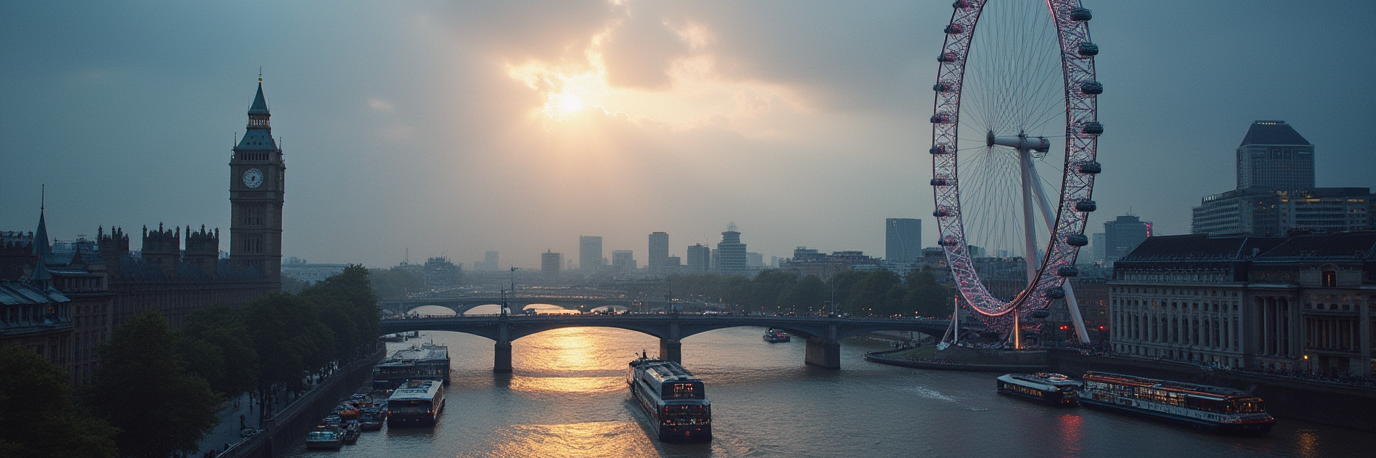
London, the bustling capital of the United Kingdom, is known for its rich history, iconic landmarks, and, of course, its unpredictable weather. Whether you're a local or a visitor, understanding London's climate can help you better prepare for what to expect when you step outside. In this article, we'll dive deep into the climate and weather patterns of London, exploring everything from seasonal changes to historical weather events. So, grab a cup of tea, and let's get started!

What is London's Climate Like?
London experiences a temperate maritime climate, which means it has mild temperatures, moderate rainfall, and relatively small temperature variations throughout the year. This type of climate is influenced by the city's proximity to the Atlantic Ocean, which helps to moderate extreme temperatures.
Seasonal Overview
London's weather can be divided into four distinct seasons: spring, summer, autumn, and winter. Each season brings its own unique weather patterns, so let's break them down one by one.

Spring (March to May)
Spring in London is a time of renewal, with temperatures gradually warming up after the cold winter months. The average temperature during spring ranges from 8°C (46°F) in March to 15°C (59°F) in May. However, spring weather can be quite unpredictable, with sunny days quickly turning into rainy afternoons. It's always a good idea to carry an umbrella during this season!
Summer (June to August)
Summer is the warmest season in London, with average temperatures ranging from 18°C (64°F) to 24°C (75°F). While London isn't known for scorching heatwaves, the city can experience occasional hot spells, especially in July and August. Summer is also the sunniest time of the year, with longer daylight hours and plenty of opportunities to enjoy outdoor activities.
Autumn (September to November)
Autumn in London is characterized by cooler temperatures and increasing rainfall. The average temperature during this season ranges from 14°C (57°F) in September to 9°C (48°F) in November. The city's parks and gardens transform into a beautiful tapestry of red, orange, and yellow hues, making it a picturesque time to visit.
Winter (December to February)
Winter in London is generally cold, with average temperatures ranging from 2°C (36°F) to 8°C (46°F). While snowfall is relatively rare in the city, it can occur, especially in the outskirts. Winter days are shorter, with limited daylight hours, but the city's festive atmosphere more than makes up for it.

Rainfall in London
London is known for its rainy weather, but how much rain does the city actually get? On average, London receives about 600-700 mm (23-27 inches) of rainfall annually. Rainfall is fairly evenly distributed throughout the year, with slightly wetter periods in the autumn and winter months.
Does It Rain Every Day in London?
Contrary to popular belief, it doesn't rain every day in London. In fact, the city experiences an average of 106 rainy days per year, which means there are plenty of dry days as well. However, London's rain can be unpredictable, so it's always a good idea to be prepared with a waterproof jacket or umbrella.
Wind and Storms in London
London is not particularly known for strong winds or severe storms, but the city can experience occasional windy conditions, especially during the winter months. The average wind speed in London is around 10-15 mph (16-24 km/h), but it can increase during storms.
Historical Storms in London
While London doesn't experience hurricanes or tornadoes, the city has seen its fair share of severe storms over the years. One of the most notable storms in recent history was the Great Storm of 1987, which caused widespread damage across the city and the surrounding areas. Winds reached speeds of up to 115 mph (185 km/h), uprooting trees and causing significant disruption.
Fog in London
London's reputation for foggy weather dates back to the 19th century, when the city was often shrouded in thick, smoky fog known as "pea soup fog" or "London fog." This type of fog was caused by a combination of industrial pollution and natural weather conditions. While air quality has improved significantly since then, London can still experience foggy conditions, especially during the autumn and winter months.
Is London Still Foggy?
Thanks to stricter air quality regulations, London is no longer as foggy as it once was. However, the city can still experience fog, particularly in the early morning or late evening. Fog is most common in low-lying areas and near bodies of water, such as the River Thames.
Temperature Extremes in London
London's temperate maritime climate means that the city rarely experiences extreme temperatures. However, there have been some notable exceptions over the years.

Record High Temperatures
The highest temperature ever recorded in London was 40.2°C (104.4°F) on July 19, 2022, during a historic heatwave that swept across Europe. This record-breaking temperature was a stark reminder of the impact of climate change on the city's weather patterns.
Record Low Temperatures
On the other end of the spectrum, the lowest temperature ever recorded in London was -16.1°C (3°F) on January 13, 1982. While such extreme cold is rare, it's a reminder that London's weather can be unpredictable.
How Does Climate Change Affect London's Weather?
Climate change is having a noticeable impact on London's weather patterns. The city has experienced an increase in average temperatures, more frequent heatwaves, and heavier rainfall events in recent years. These changes are expected to continue, with potential implications for the city's infrastructure, public health, and natural ecosystems.
Rising Temperatures
London's average temperature has risen by approximately 1°C (1.8°F) over the past century. This may not sound like much, but even small increases in temperature can have significant effects on the city's weather patterns, including more frequent and intense heatwaves.
Increased Rainfall
Climate change is also expected to lead to more intense rainfall events in London. This could increase the risk of flooding, particularly in low-lying areas of the city. The Thames Barrier, which was built to protect London from tidal flooding, may need to be used more frequently in the future to manage the increased risk of flooding.
How to Prepare for London's Weather
Whether you're a local or a visitor, it's important to be prepared for London's unpredictable weather. Here are some practical tips to help you stay comfortable and safe, no matter what the weather brings.
Dressing for the Weather
Layering is key when it comes to dressing for London's weather. Start with a base layer, such as a lightweight t-shirt or long-sleeve top, and add a sweater or jacket on top. Don't forget a waterproof outer layer, as rain can occur at any time of the year.
Carrying an Umbrella
An umbrella is a must-have accessory in London. Even if the weather looks clear when you leave the house, it's always a good idea to carry a compact umbrella in your bag, just in case.
Staying Hydrated in the Heat
During the summer months, it's important to stay hydrated, especially if you're spending time outdoors. Carry a reusable water bottle with you and take regular breaks in the shade to avoid overheating.
Preparing for Cold Weather
In the winter, make sure to dress warmly, especially if you're planning to spend time outside. A good quality coat, scarf, gloves, and hat will help to keep you warm and comfortable.
Conclusion
London's climate is as diverse and dynamic as the city itself. From mild springs to warm summers, cool autumns, and chilly winters, the city's weather offers something for everyone. While London's weather can be unpredictable, understanding the city's climate patterns can help you better prepare for whatever Mother Nature has in store. So, whether you're planning a visit or you're a long-time resident, embrace the ever-changing weather and make the most of everything this incredible city has to offer.
For more information on London's climate, check out these resources: