


shirlley williams's blog : Growth of Waste Management in 2024: A Path to Sustainability
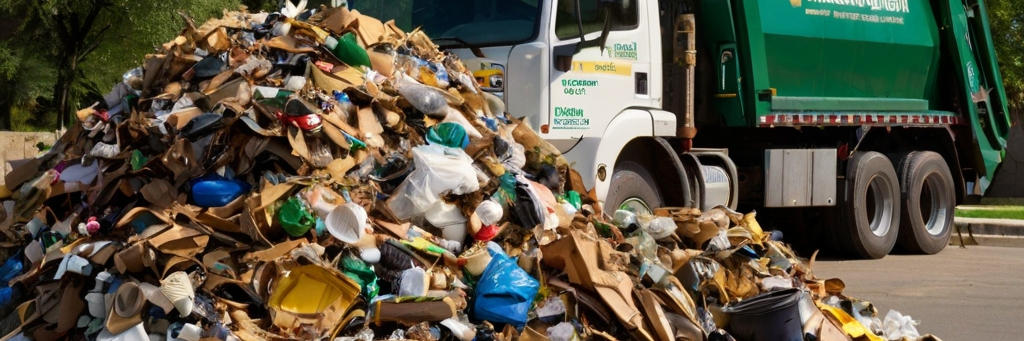
As we step into 2024, the Waste Management Market is witnessing remarkable growth, driven by an urgent need for sustainable practices and innovative solutions. With the global population continuing to rise and urbanization accelerating, the challenges of waste disposal and management have never been more pressing. This article explores the key drivers of growth in the waste management industry and how it is evolving to meet the demands of a more sustainable future.
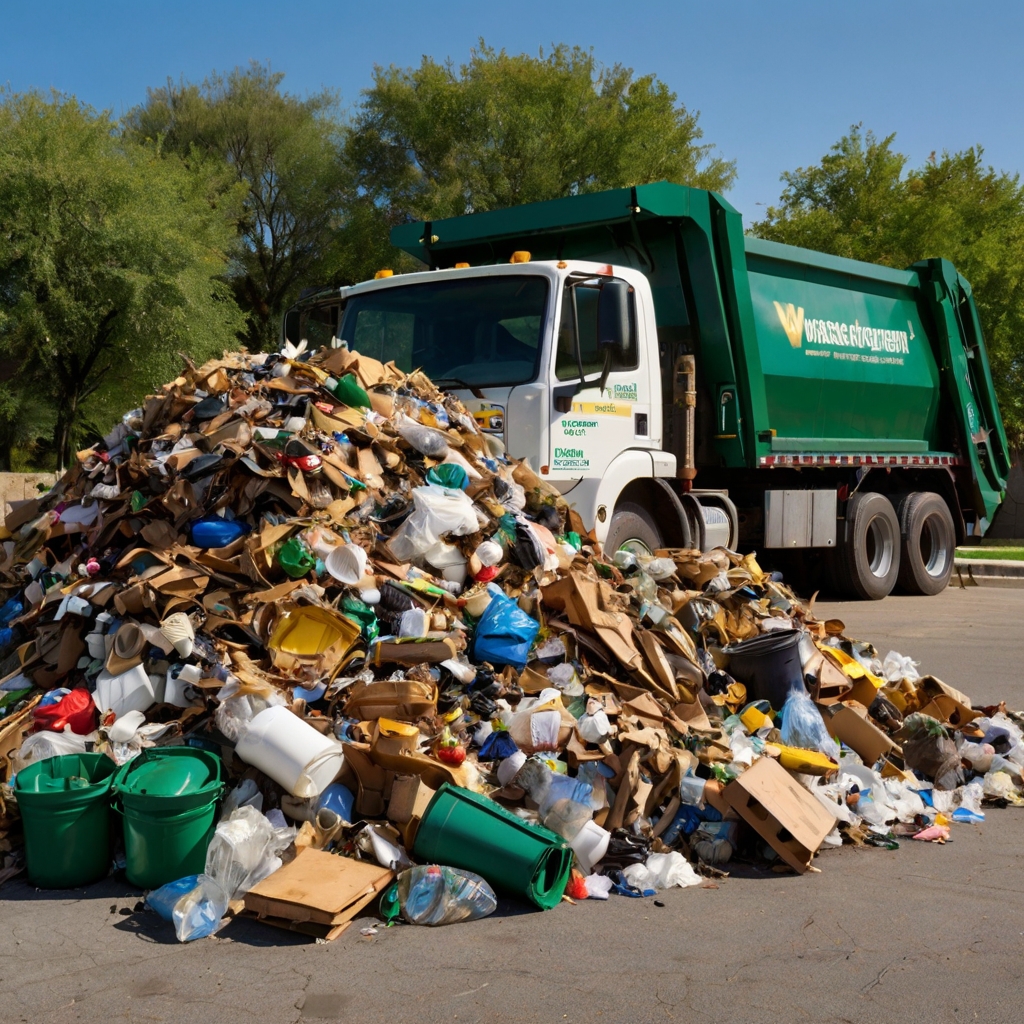
Increased Waste Generation
The world generates an estimated
2.01 billion tons of waste annually, and this figure is expected to rise in the
coming years. Urbanization, changing consumption patterns, and a growing middle
class in developing countries are contributing to increased waste generation.
As cities expand, so does the complexity of managing waste. In response, waste
management services are evolving to handle this growing volume effectively,
ensuring that waste is processed and disposed of in environmentally friendly
ways.
Regulatory Pressures and
Environmental Awareness
Governments and regulatory bodies
worldwide are implementing stricter waste management policies and regulations.
These measures aim to reduce landfill use, promote recycling, and encourage the
use of sustainable materials. In 2024, we expect more countries to adopt
comprehensive waste management strategies that include extended producer
responsibility (EPR) programs, which hold manufacturers accountable for the
entire lifecycle of their products, from design to disposal. This shift not
only fosters a more responsible approach to waste but also drives growth in the
waste management market.
Technological Advancements
Technological innovation is a
crucial factor propelling growth in the waste management sector. The
integration of smart technologies, such as IoT (Internet of Things) and AI
(Artificial Intelligence), is transforming waste collection and processing.
Smart bins equipped with sensors can monitor waste levels in real-time,
optimizing collection routes and reducing operational costs. Additionally,
advancements in recycling technologies, such as automated sorting systems, are
enhancing the efficiency and effectiveness of recycling processes. As these
technologies become more widely adopted, they will drive the growth of the
waste management industry.
Investment Opportunities
The growing focus on
sustainability has attracted significant investment in the waste management
sector. Private investors and venture capitalists are increasingly looking for
opportunities in innovative waste management solutions, from waste-to-energy projects
to advanced recycling methods. In 2024, we are likely to see a surge in funding
for startups and companies that prioritize sustainability and demonstrate
potential for growth in the waste management landscape.
Public-Private Partnerships
Collaboration between public and
private sectors is becoming essential in addressing waste management
challenges. Public-private partnerships (PPPs) can leverage resources,
expertise, and technology to create efficient waste management systems. These
collaborations are particularly beneficial in developing regions where
infrastructure is lacking and can lead to more effective waste collection,
processing, and recycling efforts.
For More Info: https://www.gmiresearch.com/report/waste-management-market/
Conclusion
The waste management sector is on
the cusp of significant growth in 2024, driven by increased waste generation,
regulatory pressures, technological advancements, and investment opportunities.
As we navigate the challenges of waste disposal, the focus on sustainability
will shape the future of waste management. By embracing innovative solutions
and fostering collaboration, we can work toward a cleaner, more sustainable
planet for generations to come.
- Random