


Ella Smith's blog : Jiu Jitsu Belt Progression: Helping Kids Set and Achieve Goals
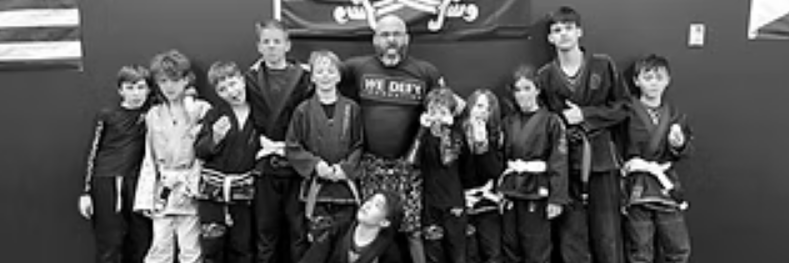
If you’ve ever watched a group of kids on the mats in a Brazilian Jiu Jitsu class, you know the energy is unmatched. They’re focused, giggling, rolling around, and testing their limits all at the same time. But behind the fun and sweat, there’s a powerful structure in place that keeps them motivated: the Jiu Jitsu belt system.
For kids, earning belts isn’t just about showing off a new color around their waist. It’s about building character, setting goals, and learning how dedication pays off. In a world where instant gratification is everywhere, the Jiu Jitsu belt progression is refreshingly old-school. It teaches kids that growth happens step by step.
So, let’s break down how this belt system works, why it’s so valuable for kids, and how it shapes them into stronger, more confident individuals.
What Is the Jiu Jitsu Belt System?
Brazilian Jiu Jitsu (BJJ) has a belt ranking system designed to mark progress and skill. Unlike other martial arts where belts can be earned quickly, BJJ is famously rigorous. Belts are not handed out just for showing up; they’re earned through consistency, skill, and mindset.
For adults, the belt system is straightforward: white, blue, purple, brown, and black. But for kids, there’s an entire separate progression tailored to keep young students engaged and rewarded while they develop.
Kids’ belts often include more colors and stripes, such as white, gray, yellow, orange, and green before transitioning into the adult belt system. Each step encourages progress, providing short-term goals that lead toward long-term growth.
This isn’t just about martial arts; it’s about teaching kids one of life’s most important lessons: perseverance.
Why the Jiu Jitsu Belt Matters to Kids
At first glance, a colored belt might look like a simple piece of cloth. But to a kid, it’s so much more. Here’s why:
-
A Tangible Goal
Kids thrive on rewards they can see and touch. A new belt shows them that their effort is paying off. It’s not abstract—it’s something they wear proudly. -
Recognition of Effort
Every time a child advances, they’re recognized in front of their peers. That acknowledgment boosts confidence and reinforces the value of hard work. -
Teaches Patience
Belts aren’t earned overnight. Kids learn that progress takes time. They begin to understand that showing up consistently matters more than quick wins. -
Encourages Responsibility
A Jiu Jitsu belt also reminds kids of their responsibility. Each belt level comes with new skills, new expectations, and often the role of helping younger students.
The Stages of Kids’ Jiu Jitsu Belt Progression
If you’re new to BJJ, the kids’ belt system can look confusing. Let’s simplify it:
White Belt – This is where every child begins. It’s all about learning the basics: positions, respect for the mat, and how to train safely.
Gray Belt – Around ages 4 to 15, kids can earn gray belts. This stage introduces more technical skills while keeping things fun.
Yellow Belt – Typically for slightly older children, yellow belts show more advanced understanding of techniques and greater discipline.
Orange Belt – Kids here are becoming leaders on the mat. They’re usually very dedicated and starting to refine their style.
Green Belt – This is the highest kids’ rank. It often signals readiness to transition into the adult belt system when they’re old enough.
Along the way, stripes are added to belts as mini-milestones. These stripes give kids something to aim for in the short term, keeping motivation high.
How Belts Help Kids Set Goals
- Think about it: when you’re young, setting and achieving long-term goals can feel impossible. Kids live in the moment, and a three-month goal might feel like forever. The Jiu Jitsu belt system bridges that gap by offering short, achievable goals.
A child doesn’t focus only on earning their green belt someday. Instead, they aim for their next stripe, then the next belt, then the next skill.
Coaches work with them to set realistic benchmarks. Maybe the goal is to master a basic guard pass or to remember a sequence of movements.
Over time, kids realize that little steps add up to big accomplishments.
That mindset—breaking a big dream into smaller parts—becomes invaluable later in life. Whether it’s schoolwork, sports, or careers, kids who’ve trained in BJJ understand that success rarely happens all at once.
Life Lessons from the Belt System
Let’s be honest: most kids won’t grow up to be black belt world champions. And that’s okay. The magic of the Jiu Jitsu belt system isn’t just in building great martial artists; it’s in raising well-rounded, resilient kids.
Here’s what kids really take away:
Discipline: They learn to show up even when they don’t feel like it.
Respect: Bowing, listening to instructors, and training safely with partners instill lifelong respect for others.
Resilience: Losing a roll or struggling with a new move teaches them to bounce back.
Confidence: Every promotion proves they’re capable of growth.
Parents often notice changes off the mat too—better focus in school, more patience at home, and improved social skills.
How Parents Can Support Kids Through Belt Progression
If your child is on the BJJ journey, your role is vital. Here’s how you can help:
Celebrate the Stripes and Belts: Show genuine excitement when they’re promoted. It might seem small to you, but to them, it’s huge.
Encourage Practice: Support their training schedule without pressuring them. Remind them that consistency is key.
Focus on Effort, Not Just Results: Praise their persistence and attitude more than their promotions. This teaches them that the belt is a symbol of growth, not the only goal.
Stay Patient: Remember that kids progress at different speeds. What matters is that they’re moving forward.
Avoiding the Pitfall of Belt Chasing
While belts are an amazing motivator, it’s important to avoid turning them into the only measure of success. Kids can sometimes get caught up in wanting the next color without appreciating the skills and lessons along the way.
Good instructors remind students that the Jiu Jitsu belt is just the outward sign of inner growth. The real reward is what happens between promotions: the friendships, the skills, the confidence, and the discipline that stick with them forever.
The Role of Instructors in Belt Progression
Behind every kid advancing in belts is a coach who knows when they’re ready. Promotions in BJJ are not cookie-cutter. Unlike some martial arts that award belts on a fixed timeline, BJJ instructors evaluate students individually.
A coach looks at:
Technical ability
Consistency in training
Attitude and respect
Willingness to help teammates
This personalized approach ensures that when a child earns a new Jiu Jitsu belt, it’s truly deserved. That makes the achievement all the more meaningful.
Pirate Brazilian Jiu Jitsu and Kids’ Growth
Local gyms play a massive role in how kids experience belt progression. For example, Pirate Brazilian Jiu Jitsu has built a reputation for fostering supportive, family-friendly classes where kids can thrive. Instructors know how to balance discipline with fun, making sure children stay engaged without feeling pressured.
And the benefits don’t stop with kids. Pirate BJJ provides Women's Intro To BJJ Course, showing how the same values of patience, resilience, and growth apply to all ages and genders. Families who train together often find that BJJ becomes a shared journey of self-improvement.
The Bigger Picture: Preparing Kids for Life
When kids work through the belt system, they’re preparing for much more than martial arts. They’re developing:
Goal-setting skills they’ll use in school and careers.
Confidence to tackle new challenges.
Teamwork and communication that help them build strong friendships.
Emotional control to handle setbacks gracefully.
As parents and coaches, watching a child tie on a new belt is rewarding not just because of the achievement itself, but because of everything it represents.
Tips for Kids on Their Belt Journey
If you’re a young BJJ student (or a parent reading with your child), here are some simple tips to make the most of the journey:
-
Enjoy the Process: Don’t rush through belts. Have fun learning.
-
Ask Questions: If you’re unsure about a move, ask your coach.
-
Practice at Home: A few minutes of drilling makes a big difference.
-
Be a Good Teammate: Respect others on the mat. Help beginners when you can.
-
Stay Consistent: Show up, even when it’s tough. That’s how progress happens.
Why Belts Are Only Part of the Story
At the end of the day, belts are just one part of a much bigger picture. What really matters is the transformation kids experience over time. The shy child becomes confident. The restless one learns focus. The competitive one learns humility.
The Jiu Jitsu belt is the thread that ties it all together. It motivates, guides, and celebrates growth—but it’s the lessons in between that last a lifetime.
Final Thoughts
The Jiu Jitsu belt progression is more than a ranking system. It’s a roadmap for kids to learn discipline, patience, and resilience while having fun on the mats. Each stripe and belt earned is proof of their effort and growth, shaping them into not just better athletes, but better people.
Whether your child is just starting out with a white belt or eyeing that green belt before moving into adult ranks, the journey is worth celebrating. And as gyms like Pirate Brazilian Jiu Jitsu show, the values of BJJ extend far beyond the mats—into school, friendships, family life, and the future.
In:- Gaming