


Health care's blog : What Are the Medical Reasons for Gallbladder Stones Surgery?

Gallstones are a common digestive condition that can affect individuals across different age groups. While some people may live with gallstones without experiencing symptoms, others develop complications that require medical attention. In many such cases, Gallbladder Stones Surgery in Dubai becomes the recommended course of action to prevent further health risks and improve quality of life.
Understanding the medical reasons behind gallbladder removal helps patients make informed decisions and recognize when surgical intervention is necessary.
Understanding Gallstones and the Gallbladder
The gallbladder is a small organ located beneath the liver that stores bile, a digestive fluid responsible for breaking down fats. Gallstones are hardened deposits of bile components that form inside the gallbladder.
These stones can vary in size and may remain silent or cause significant discomfort depending on their location and movement within the biliary system.
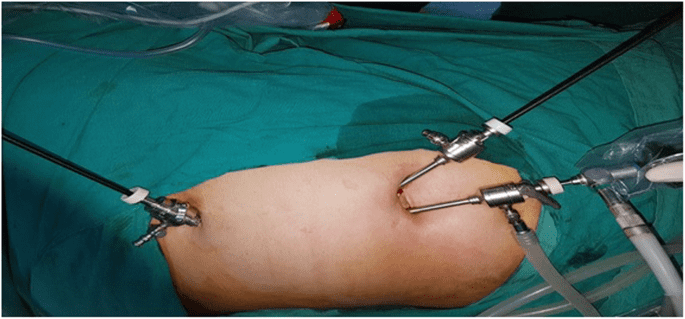
When Does Gallbladder Stones Surgery Become Necessary?
Not all gallstones require surgery. However, when symptoms or complications arise, medical professionals often recommend gallbladder removal (cholecystectomy). The decision is usually based on the severity of symptoms, risk of complications, and overall patient health.
Below are the primary medical reasons why gallbladder stones surgery in Dubai may be advised.
1. Recurrent Abdominal Pain (Biliary Colic)
One of the most common reasons for surgery is recurring abdominal pain caused by gallstones blocking the bile ducts.
Typical characteristics of biliary colic include:
- Sudden pain in the upper right abdomen
- Pain that may radiate to the back or right shoulder
- Episodes that last from minutes to several hours
- Pain often triggered after fatty meals
When these episodes become frequent or severe, surgery is considered to prevent ongoing discomfort and disruption to daily life.
2. Inflammation of the Gallbladder (Cholecystitis)
Gallstones can block the cystic duct, leading to inflammation of the gallbladder, known as cholecystitis. This condition may be acute or chronic.
Symptoms may include:
- Persistent and severe abdominal pain
- Fever
- Nausea and vomiting
- Abdominal tenderness
Cholecystitis is a serious condition that can lead to infection or rupture if untreated. In such cases, gallbladder stones surgery is often required as an urgent medical intervention.
3. Blockage of the Bile Duct (Choledocholithiasis)
Sometimes gallstones migrate from the gallbladder into the common bile duct, causing a blockage. This condition can interfere with bile flow and lead to complications such as jaundice.
Signs of bile duct obstruction include:
- Yellowing of the skin and eyes
- Dark urine
- Pale stools
- Itching and abdominal discomfort
If not addressed, this condition may lead to infection of the bile ducts (cholangitis), making surgical treatment necessary to restore normal bile flow.
4. Pancreatitis Caused by Gallstones
Gallstones can also block the pancreatic duct, leading to inflammation of the pancreas, known as gallstone pancreatitis. This is a potentially serious condition that requires immediate medical attention.
Symptoms may include:
- Severe upper abdominal pain
- Pain radiating to the back
- Nausea and vomiting
- Elevated heart rate
In cases of gallstone-induced pancreatitis, removing the gallbladder is often recommended to prevent recurrence.
5. Gallbladder Dysfunction (Biliary Dyskinesia)
Even without visible gallstones, some patients experience gallbladder dysfunction, where the organ does not empty bile properly. This can cause symptoms similar to gallstone disease.
Doctors may recommend surgery if:
- The gallbladder ejection fraction is low
- Symptoms persist despite conservative treatment
- Other causes of abdominal pain have been ruled out
In such cases, gallbladder removal can help alleviate chronic digestive discomfort.
6. Large or Multiple Gallstones
The size and number of gallstones can influence treatment decisions. Large gallstones or a high number of stones increase the risk of complications, including obstruction and inflammation.
Surgery may be recommended when:
- Stones are larger than a certain size
- Multiple stones are present
- There is a higher risk of gallbladder complications
7. Gallbladder Polyps with Stones
In some cases, gallstones may coexist with gallbladder polyps. If polyps are large or show signs of potential malignancy, surgical removal of the gallbladder may be advised as a precautionary measure.
8. Recurrent Infections or Complications
Repeated episodes of gallbladder infection or complications related to gallstones can weaken the organ over time. Surgery is often considered when:
- Infections recur frequently
- Medical treatments fail to control symptoms
- There is a risk of long-term damage
Why Surgery Is Often Recommended
Gallbladder removal is one of the most common and effective treatments for symptomatic gallstones. The procedure eliminates the source of the problem, preventing future stone formation in the gallbladder.
Key benefits include:
- Relief from recurrent pain
- Prevention of serious complications
- Improved digestive comfort
- Reduced risk of emergency medical situations
After surgery, most individuals can live a normal life, as the liver continues to produce bile that flows directly into the small intestine.
When to Seek Medical Evaluation
Individuals experiencing symptoms such as persistent abdominal pain, jaundice, nausea, or digestive issues should seek medical evaluation. Early diagnosis can help determine whether gallbladder stones surgery in Dubai is necessary or if alternative treatments may be considered.
Timely intervention is essential to avoid complications and ensure better health outcomes.
Final Thoughts
Gallstones are not always dangerous, but when they begin to cause symptoms or complications, surgical removal of the gallbladder becomes the most effective solution. Conditions such as recurrent pain, inflammation, bile duct blockage, pancreatitis, and infections are among the key medical reasons for recommending surgery.
For individuals experiencing these issues, understanding the underlying causes and seeking professional evaluation can lead to appropriate treatment decisions and long-term relief.
- Technology