


Dana Adkins's blog : Data-Driven Traffic Optimization in Smart Cities

In the modern era of rapid urbanization, smart cities harness data-driven technologies to enhance urban traffic management, reduce congestion, and improve overall transportation efficiency. By leveraging real-time data from IoT devices, sensors, cameras, and advanced analytics, cities can make dynamic, informed decisions that optimize traffic flow, increase safety, and promote sustainability.
Understanding Data-Driven Traffic Optimization
Data-driven traffic optimization refers to the systematic use of collected data and analytical tools to monitor, manage, and improve traffic conditions within urban environments. Unlike traditional traffic systems that rely on fixed signal timings or manual intervention, data-driven systems continuously gather information on traffic density, vehicle speeds, and congestion levels and use this data to adjust traffic controls adaptively in real time.
Key Technologies Behind Optimization
IoT Sensors and Devices: These include traffic cameras, inductive loop detectors, infrared sensors, and GPS trackers that collect data on vehicle movement, traffic volume, and road conditions.
Artificial Intelligence (AI): AI algorithms analyze patterns in data, predict congestion points, and optimize traffic signal timings.
Real-Time Analytics: Data is processed instantaneously to provide a live picture of traffic flow, enabling immediate interventions like rerouting and signal adjustments.
Predictive Modeling: Historical and current data are used to foresee traffic bottlenecks before they happen, allowing preemptive management.
Benefits of Data-Driven Traffic Optimization
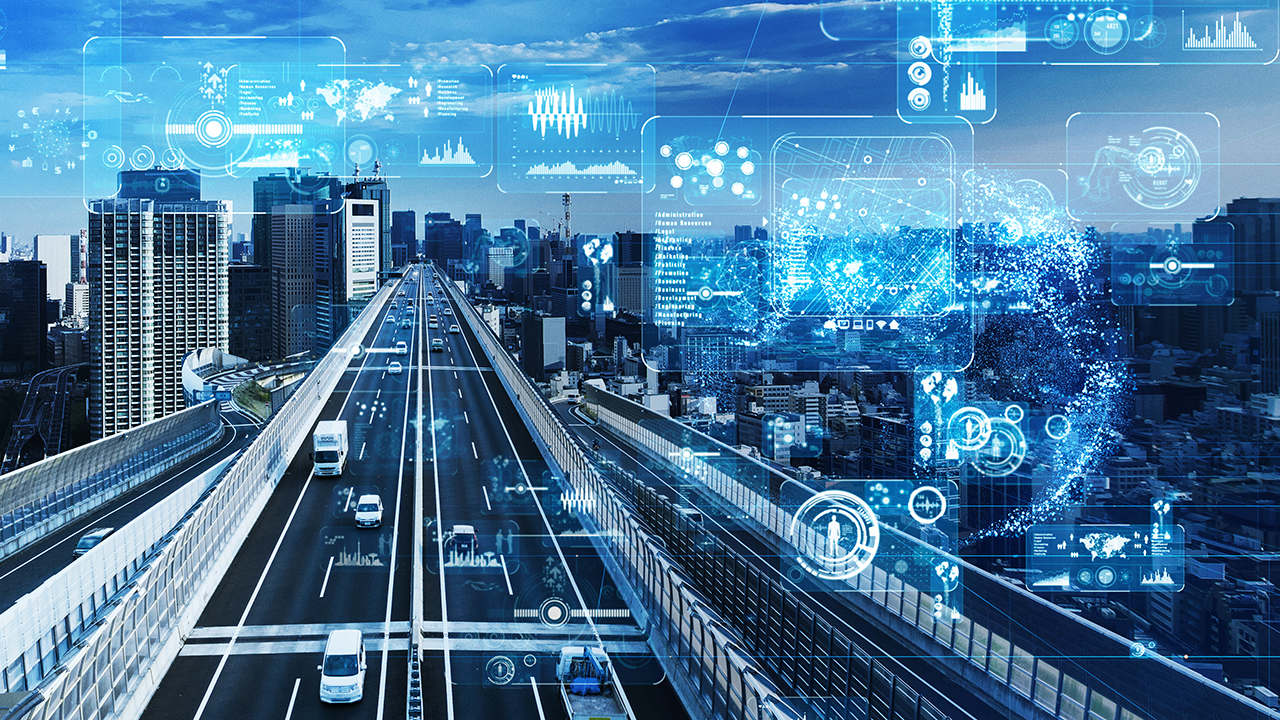
Smoother Traffic Flow and Reduced Congestion
Adaptive traffic signal control, powered by data analytics, adjusts signal durations depending on real-time traffic volumes. This dynamic timing reduces unnecessary stops and delays, facilitating smoother passage through intersections and minimizing idling time that often contributes to pollution and driver frustration.
Enhanced Public Transportation Efficiency
Data-driven systems improve scheduling and routing for buses and other public transit. By reacting to real-time traffic and passenger demand, cities can make transit more reliable and punctual, which encourages more people to choose sustainable transport modes over private cars.
Improved Road Safety
By analyzing traffic accident data along with real-time traffic conditions, municipalities can identify high-risk locations and times. This insight enables targeted interventions such as better signage, redesigned intersections, or increased enforcement which lead to fewer accidents and safer streets for all users.
Economic and Environmental Impact
Traffic congestion imposes heavy economic costs through lost productivity and wasted fuel. Optimizing traffic flow reduces these costs and lowers carbon emissions due to decreased idling. Better traffic management thus supports environmental sustainability goals and improves quality of life.
Implementing Data-Driven Traffic Optimization in Smart Cities
Data Collection and Integration
Comprehensive traffic management requires integrating data from multiple sources — including roadside sensors, vehicle telemetry, public transit systems, and even citizen smartphones. This creates a holistic view of urban mobility patterns.
Development of Intelligent Traffic Systems
Cities deploy AI-powered adaptive signal control systems and smart routing applications to dynamically respond to evolving traffic patterns. These systems often use machine learning techniques such as reinforcement learning for continual improvement of traffic control policies.
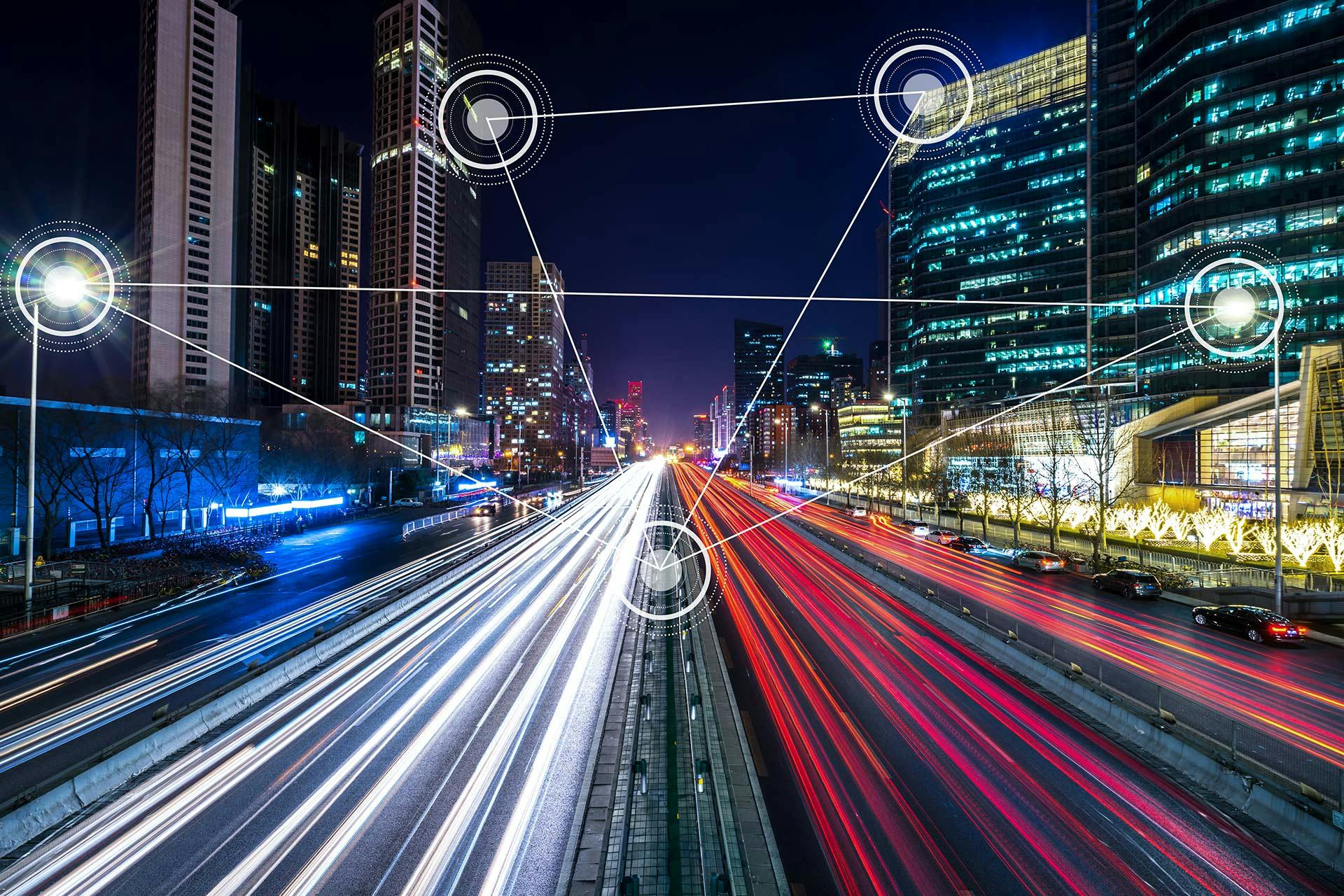
Real-Time Monitoring and Decision Making
Control centers continuously monitor live traffic conditions and automatically adjust traffic signals or disseminate information to drivers via dynamic message signs and navigation apps. This real-time responsiveness mitigates congestion spikes and manages incidents more effectively.
Collaboration and Scalability
Successful traffic optimization involves cooperation between multiple stakeholders, including city planners, transportation agencies, technology providers, and the public. Solutions must be scalable and adaptable to accommodate growing urban populations and evolving mobility trends.
Real-World Success Stories
Several cities worldwide have implemented data-driven traffic optimization with impressive results. Studies show that adaptive signal control can reduce travel times by 15-25% in congested areas. Smart traffic systems also contribute to fewer accidents and lower emissions, enhancing overall urban livability.
Cities increasingly focus on integrated transport ecosystems combining private vehicles, public transit, cycling, and walking, using data analytics to ensure seamless connectivity and efficient movement across modes.
Avenga - Custom Software Development specializes in developing innovative mobility technologies tailored for smart cities. Their expertise includes integrating IoT systems, advanced analytics, and scalable software solutions to help cities optimize traffic flows and create sustainable urban mobility environments. Learn more at https://www.avenga.com/mobility/
In:- Digital